


- OVERVIEW
India as an Energy Powerhouse and a Freight Market Mover
From Energy Dependence to Refining Dominance
India may not possess the world’s largest oil reserves, but it has transformed itself into a global refining powerhouse. With approximately 5 million barrels per day (bpd) of refining capacity, India ranks among the world’s largest crude processors, supported by its rapidly expanding economy and rising domestic fuel consumption.
India’s strategic advantage lies not in crude production, but in its ability to import, process and redistribute petroleum products globally.
When it started to be an energy powerhouse?
This transformation accelerated during the 2000s, particularly with Reliance Industries’ development of the Jamnagar refining complex in Gujarat. Today, Jamnagar is the world’s largest integrated refining complex, processing approximately 1.4 million bpd. Other major refining centres, including Haldia, Visakhapatnam, Chennai and Mangalore, further strengthen India’s coastal energy infrastructure.
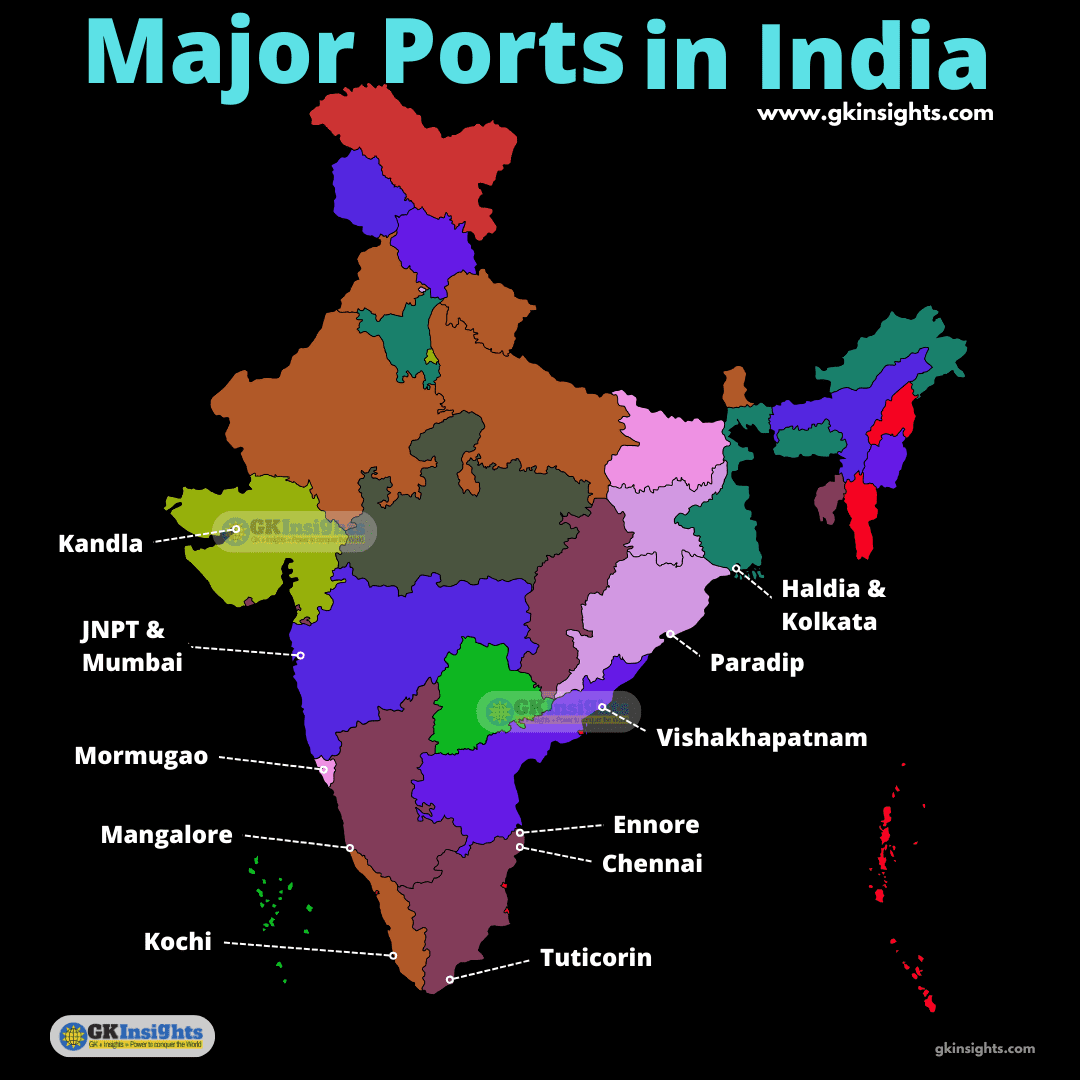
Who are the ones calling the shots?
India’s energy landscape is shaped by both government policy and powerful industrial players. Reliance Industries, led by Mukesh Ambani, is a major private-sector force, while Indian Oil Corporation, Bharat Petroleum and Hindustan Petroleum underpin the state-controlled refining network.
Geopolitics increasingly influences procurement decisions. Russia became India’s dominant crude supplier following its 2022 invasion of Ukraine, with discounted Russian barrels reshaping established Middle Eastern trade flows. Russian supplies exceeded 40% of Indian crude imports in August 2026, according to Kpler data.

(Source: Reuters)
How can it be a freight mover?
During his October 2026 visit, US Secretary of State Marco Rubio described India as a “refining superpower”, encouraging Reliance to process additional Venezuelan crude amid disruptions associated with the Iran conflict.
Jamnagar’s sophisticated refining configuration enables it to handle Venezuela’s challenging ultra-heavy crude. Expanded cooperation could diversify India’s crude sourcing while creating new long-haul Atlantic-to-Asia tanker movements. However, sanctions, commercial economics and supply availability remain important constraints.

Merey crude, Venezuela’s flagship, is selling at a discount, while Russian Urals trades at a premium, before shipping costs. The steep discount helps offset the longer voyage from Venezuela and the challenges of processing Merey, a dense, high-sulfur crude. Reliance’s Jamnagar complex is equipped to handle such barrels. Still, rising tanker rates could make the surge in imports difficult to sustain.

India’s influence extends well beyond its coastline. In FY2025–26, the country exported 61.5 million tonnes of petroleum products, positioning it as a major supplier of diesel, gasoline, jet fuel and other refined products.
For dirty tankers, greater Venezuelan and Russian crude imports can support long-haul VLCC and Suezmax tonne-mile demand, while Middle Eastern imports sustain established Arabian Gulf–India routes.
Where does its power the most influential?
India’s greatest influence lies across the Indian Ocean, Arabian Gulf and East of Suez markets, with an expanding reach into Atlantic Basin trade.

- PLATTS TREND
| 20-Oct-26 | 21-Oct-26 | 22-Oct-26 | 7-DAYS AVERAGE | 1-DAY CHANGE | 7-DAYS CHANGE | 7-DAYS-CHANGE | |
|---|---|---|---|---|---|---|---|
| SPORE/JPN (30 KT) | 566 | 566 | 560 | 548.81 | -6 | 20 | 3.70% |
| SPORE/OZ (35 KT) | 585 | 585 | 580 | 570.31 | -5 | 17.5 | 3.11% |
| KOREA /OZ (35 KT) | 670 | 670 | 680 | 636.63 | 10 | 130 | 23.64% |
| INDIA/JAPAN (35 KT) | 460 | 450 | 450 | 448.75 | 0 | -10 | -2.17% |
| 20-Oct-26 | 21-Oct-26 | 22-Oct-26 | 7-DAYS AVERAGE | 1-DAY CHANGE | 7-DAYS CHANGE | 7-DAYS-CHANGE | |
|---|---|---|---|---|---|---|---|
| SPORE/HK | 1515 | 1515 | 1515 | 1,473.13 | 0 | 115 | 8.21% |
| KOREA/SPORE | 2200 | 2200 | 2200 | 2,110.63 | 0 | 365 | 19.89% |
| KOREA/JAPAN | 1550 | 1550 | 1550 | 1,494.38 | 0 | 280 | 22.05% |
| KOREA/H.K. | 1850 | 1850 | 1850 | 1,794.38 | 0 | 270 | 17.09% |
| KOREA/USWC | 4,600 | 4,600 | 4,775 | 4,425.00 | 175 | 850 | 21.66% |
| 20-Oct-26 | 21-Oct-26 | 22-Oct-26 | 7-DAYS AVERAGE | 1-DAY CHANGE | 7-DAYS CHANGE | 7-DAYS-CHANGE | |
|---|---|---|---|---|---|---|---|
| AG/JAPAN (55 KT) | 980 | 1050 | 1070 | 1,005.63 | 20 | 90 | 9.18% |
| AG/JAPAN (75 KT) | 1055 | 1080 | 1100 | 1,048.13 | 20 | 85 | 8.37% |
| OMAN G. /JAPAN (55 KT) | 525 | 525 | 500 | 562.50 | -25 | -100 | -16.67% |
| OMAN G. /JAPAN (75 KT) | 575 | 550 | 485 | 629.38 | -65 | -165 | -25.38% |


- REPORTED FIXTURES
| VESSEL | SIZE | GRADE | L/C | LOAD | DISCHARGE | FREIGHT | CHTRS |
|---|---|---|---|---|---|---|---|
| MARATHO | 35 | CPP | 01 NOV | SIKKA | WAFR | 4.5M | RELIANCE |
| HIGH MARINER | 35 | CPP | 03 NOV | SPORE | OZ | WS580 | ST |
| CHANG HANG CHENG GONG | 35 | CPP | 03 NOV | JAPAN | OZ | WS680 | AMPOL |
- GLOBAL BUNKER PRICE REPORT
(US$/MT)
| 20-Oct | 21-Oct | 22-Oct | 3-DAYS AVERAGE | 1-DAY CHANGE | 3-DAYS CHANGE | |
|---|---|---|---|---|---|---|
| VLSFO 0.5 | ||||||
| SINGAPORE | 932.5 | 933.5 | 937.0 | 934.3 | +3.5 | +4.5 |
| FUJAIRAH | 979.5 | 969.5 | 969.0 | 972.7 | -0.5 | -10.5 |
| ROTTERDAM | 765.0 | 757.0 | 763.0 | 761.7 | +6.0 | -2.0 |
| HOUSTON | 785.0 | 789.5 | 805.5 | 793.3 | +16.0 | +20.5 |
| GLOBAL MARKET | 920.0 | 920.0 | 919.0 | 919.7 | -1.0 | -1.0 |
| MGO | ||||||
| SINGAPORE | 1318.0 | 1328.5 | 1341.0 | 1329.2 | +12.5 | +23.0 |
| FUJAIRAH | 1793.5 | 1758.5 | 1751.0 | 1767.7 | -7.5 | -42.5 |
| ROTTERDAM | 1436.5 | 1429.0 | 1434.5 | 1433.3 | +5.5 | -2.0 |
| HOUSTON | 1417.5 | 1407.0 | 1422.0 | 1415.5 | +15.0 | +4.5 |
| GLOBAL MARKET | 1552.0 | 1558.0 | 1552.0 | 1554.0 | -6.0 | – |
| IFO 380 (HSFO) | ||||||
| SINGAPORE | 893.5 | 873.5 | 876.0 | 881.0 | +2.5 | -17.5 |
| FUJAIRAH | 756.5 | 729.5 | 731.0 | 739.0 | +1.5 | -25.5 |
| ROTTERDAM | 681.0 | 673.5 | 684.5 | 679.7 | +11.0 | +3.5 |
| HOUSTON | 595.0 | 588.5 | 600.5 | 594.7 | +12.0 | +5.5 |
| GLOBAL MARKET | 822.5 | 813.0 | 822.5 | 819.3 | +9.5 | – |
VLSFO
VLSFO prices showed mixed movements over the three-day period. Singapore and Houston recorded increases, while Fujairah and Rotterdam declined slightly, leaving the Global Market almost unchanged. Supply conditions remained uneven across regions, as S&P Global reported that high freight costs could reduce low-sulphur fuel oil shipments from Western markets to Singapore, potentially tightening Asian supply. Meanwhile, renewed Houthi attacks on Saudi Arabia pushed crude oil prices higher on 23 October, increasing concerns over further supply disruptions in the Middle East and the Red Sea.
MGO
MGO prices showed mixed movements across the major bunkering hubs, with Singapore recording the strongest increase while Fujairah experienced the largest decline. The Global Market remained unchanged over the three-day period. Despite these mixed regional movements, the wider diesel market remains tight. Reuters reported on 22 October that US refineries were operating at unusually high levels because of limited global refined-fuel supplies, particularly diesel, following disruptions to refining operations in the Middle East and Russia. These supply constraints continue to provide underlying support for MGO prices.
HSFO
HSFO prices moved lower in Singapore and Fujairah but increased slightly in Rotterdam and Houston, leaving the Global Market unchanged over the three-day period. Although the latest data shows mixed regional performance, the wider HSFO market remains under supply pressure. Reuters reported on 16 October that reduced exports from the Middle East and Russia had tightened global fuel oil availability. Renewed attacks in the Middle East also present further supply risks, although these developments have not resulted in a uniform price increase across all hubs in the three-day data.
- SHIPPING STOCKS MARKET WATCH
Tradewinds reported New York-listed shipping stocks are closing out a rebound week in late Friday trading after slipping into what some analysts termed a “correction” the previous week. Scorpio Tankers was trading up 4.4%.
International Seaways has sold off four older VLCCs over the past 18 months. Seaways is striking during a bull market that has already run for more than five years, buying at what some see as the cycle’s peak. They believe in the tanker bull run’s duration. CEO Zabrocky said. “Rates are demonstrating a strength we haven’t seen before, and we wanted to be able to capitalise on it.”


- SOURCES
- Bloomberg (2026), US Wants India’s Reliance to Refine Venezuelan Oil, 20 October 2026. Accessed October 2026.
- GK Insights (2023), Major Ports in India: Map, Location, List, Exports, Imports, 27 Sep 2023. Accessed October 2026.
- Bloomberg (2026), Reliance Drives India’s Venezuela Oil Imports to 7-Year High, 7 October 2026. Accessed October 2026.
- Business Standard (2026), Russia remains India’s largest crude supplier in August: Kpler data, 27 August 2026. Accessed October 2026.
- S&P Global (2026), India could deepen energy ties with Venezuela beyond crude imports: Rubio Through Smoke, 21 October 2026. Accessed October 2026.
- Reuters (2026), India’s Mideast oil imports return to pre-war levels in September, 22 October 2026. Accessed October 2026.
- The Hindu (2026), No Russian Oil expected in January, none came in the last three weeks: Reliance Industries. 6 January 2026. Accessed October 2026.
- Tradewinds (2026), The Pribor prophecy: how Seaways’ stock strength helped a prediction come true, 22 Oct 2026. Accessed October 2026.
- Tradewinds (2026), US shipping stocks snap back from ‘correction’ week, 24 Oct 2026. Accessed October 2026.
- S&P Global Commodity Insights (Platts). Clean tanker freight assessments and tanker market intelligence, accessed October 2026.
- Saxo Investor, accessed October 2026.
- Firstlink Research Team. (2026). Internal Market Analysis . Firstlink Global Pte. Ltd., Singapore.

1 Comment
India has a geographical advantage, being in a crossroad of Middle East, Africa, and East Asia, and the Indian Ocean. This propelled India to be a strategic hub for international trade, energy refining, and maritime transportation.