Global Adaptation to the War: from an acute disruption phase into a more structural adaptation cycle.
Regional cargo activity from Korea and Singapore continues to provide baseline employment, while longer-haul demand from the Americas into Asia is gradually tightening prompt tonnage.
The Far East clean tanker market remains supported but fragile. Refined product exports from North Asia appear moderate, freight has held largely due to cost-side pressure rather than strong cargo demand.
Everything is priced up in theory but the problem is the supply. A lot of countries are accumulating for self-sufficiency and leaving others short.
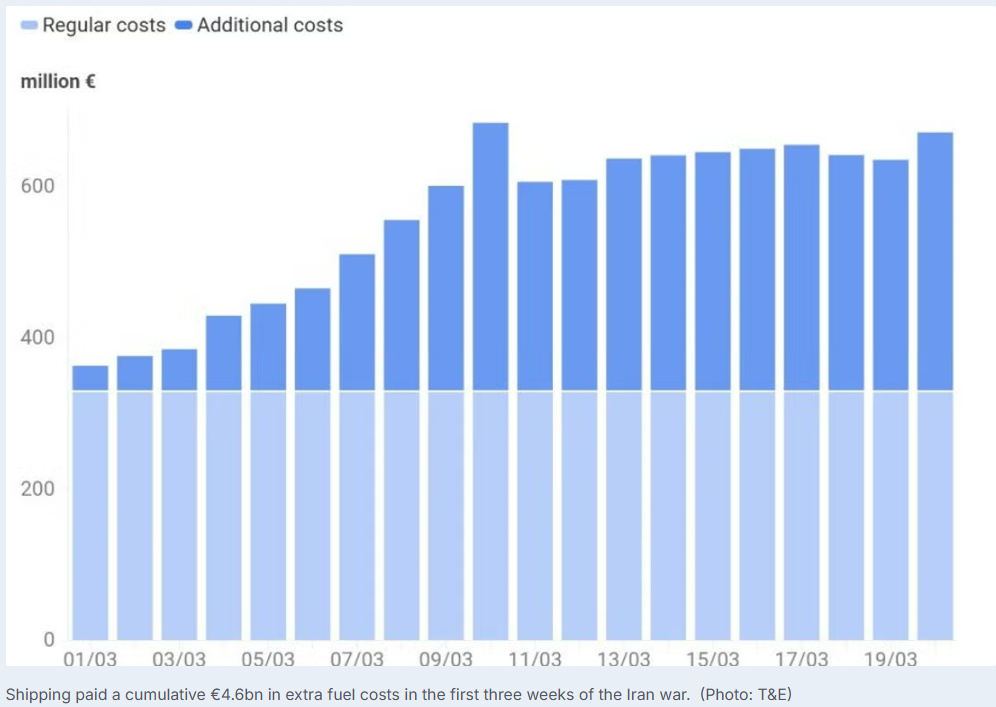
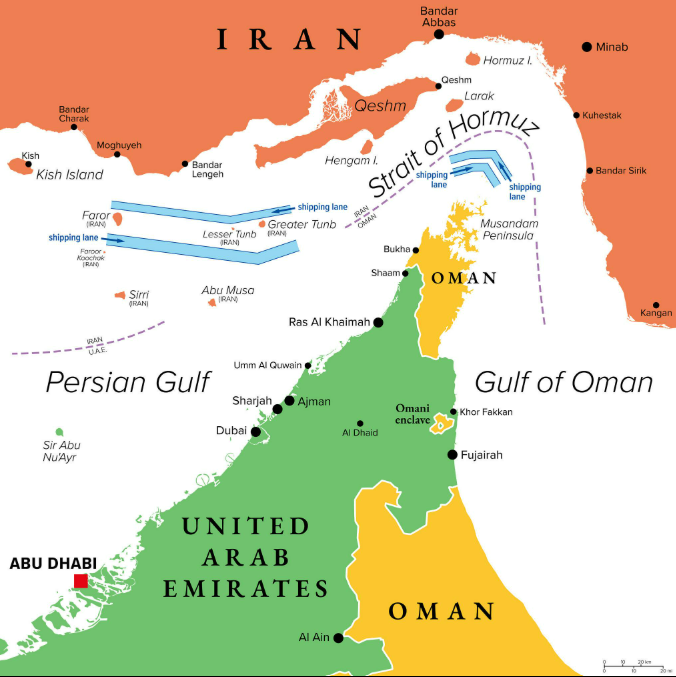
Feast MRs were minimally impacted from this USA-Iran war as compared to TC1/TC5/shipments out of AG affected by Iran pressure on Straits of Hormuz. Though bunkers are up two-fold, MR freight remains only about 10% up from pre-war levels.
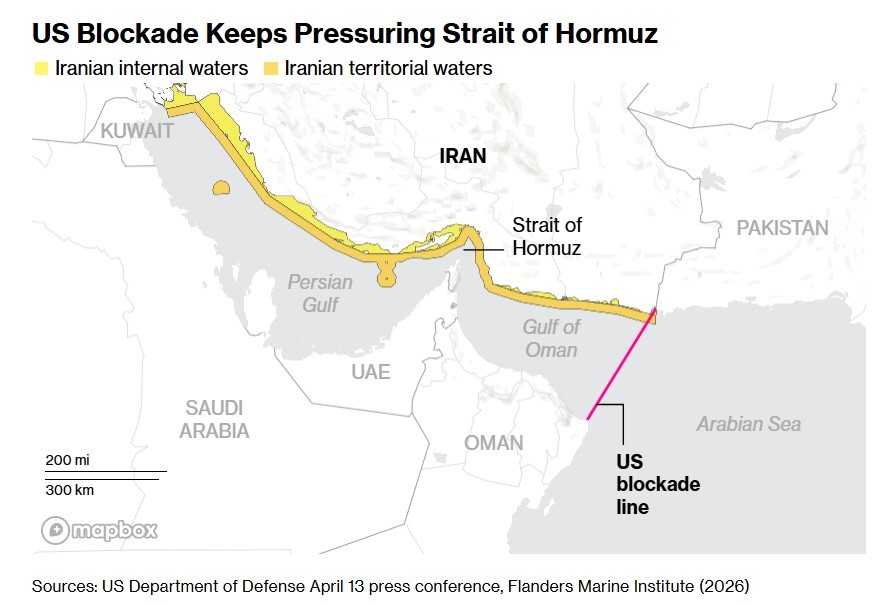
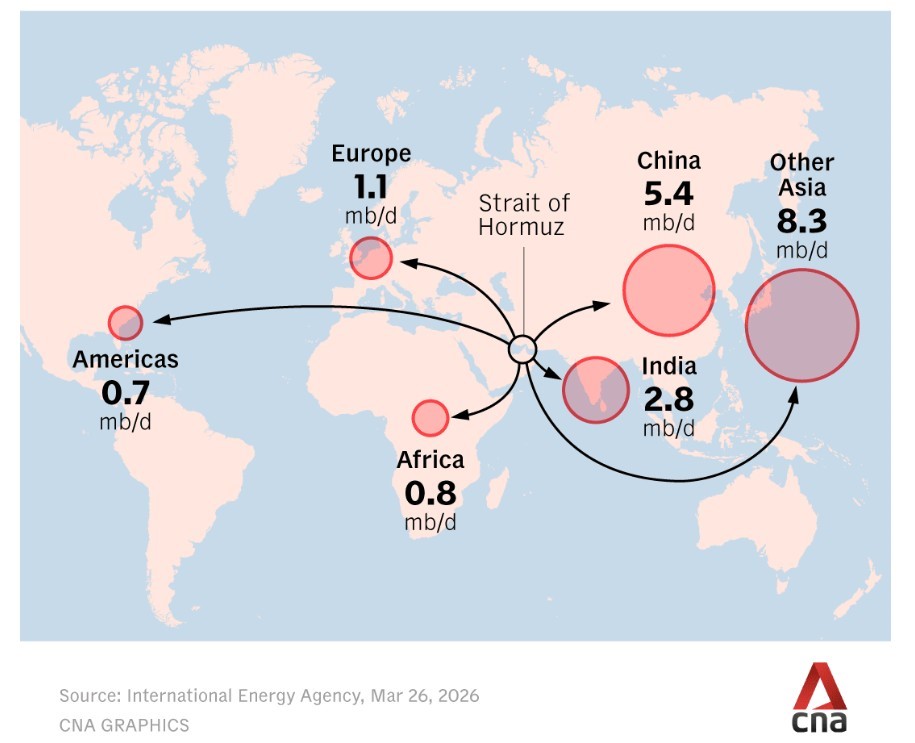
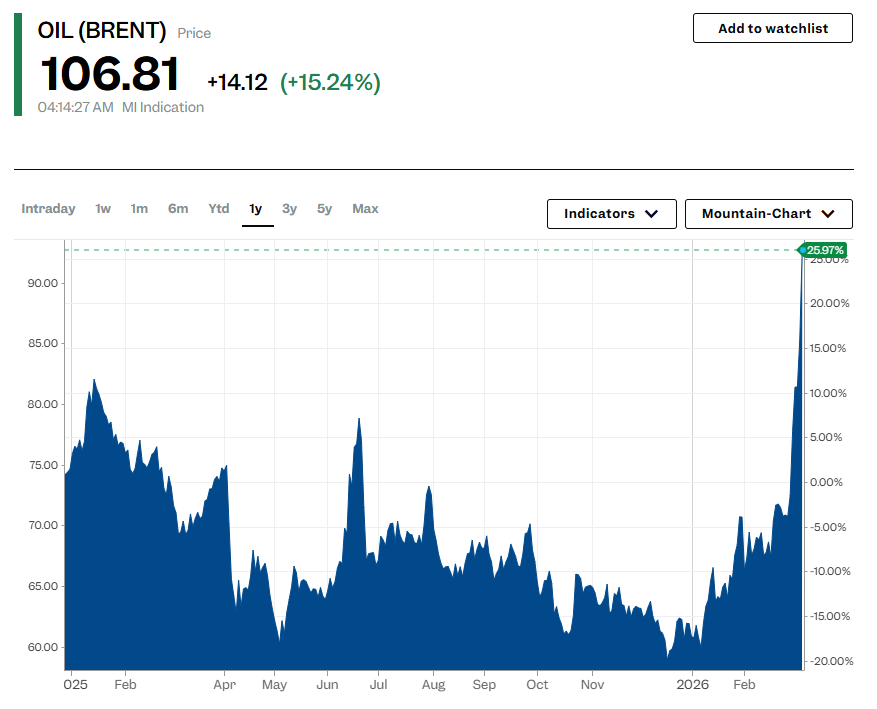
The VLCC freight party might be ending soon, with no feedstocks to support the freight. Oil prices reached a breakthrough $100 per barrel for the first time in more than three and a half years Sunday as the Iran war hindered production and shipping in the Middle East.
Even in the absence of physical disruption in the Straits of Hormuz, any escalation could quickly translate into higher arbitrage cracks, escalating insurance premiums, and more cautious vessel deployment across the region.
This week we observe a notable divergence between the MR and SR segments across North Asia. While MR freight remains softening across most benchmark routes, the SR/coastal segment in Japan–Korea has been comparatively active.
February continues to be under the gloom of weak arbitrage cracks, over tonnage, seasonal slump, and macroeconomics factors. Rates have been soft across the board and we should see continuation of this trend going into the Lunar New Year.